Before the gates open
At a quarter past five the road along the east bank is still empty. A guard unlocks the side gate by lantern light, checks the ministry permit twice, and waves our small group through. The ticket hall is dark, the souvenir stalls are shuttered, and the only sound is the gravel under our feet.
Dawn access is not a show. It is a quiet hour that the antiquities inspectors grant to small groups with a licensed Egyptologist, on the condition that nobody uses a flash and nobody touches the stone. That condition turns out to be the gift: with nothing to do but look, people start to see.
The hall in the dark
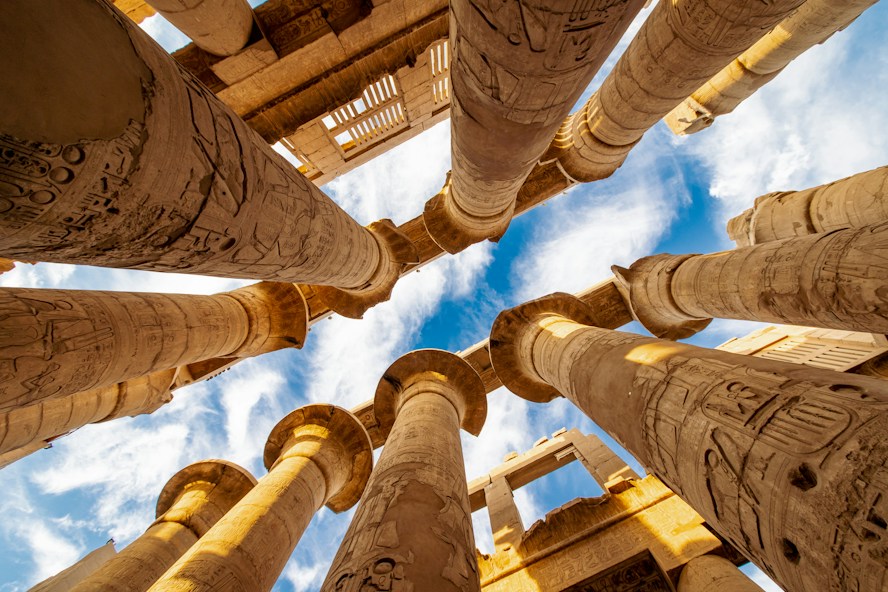
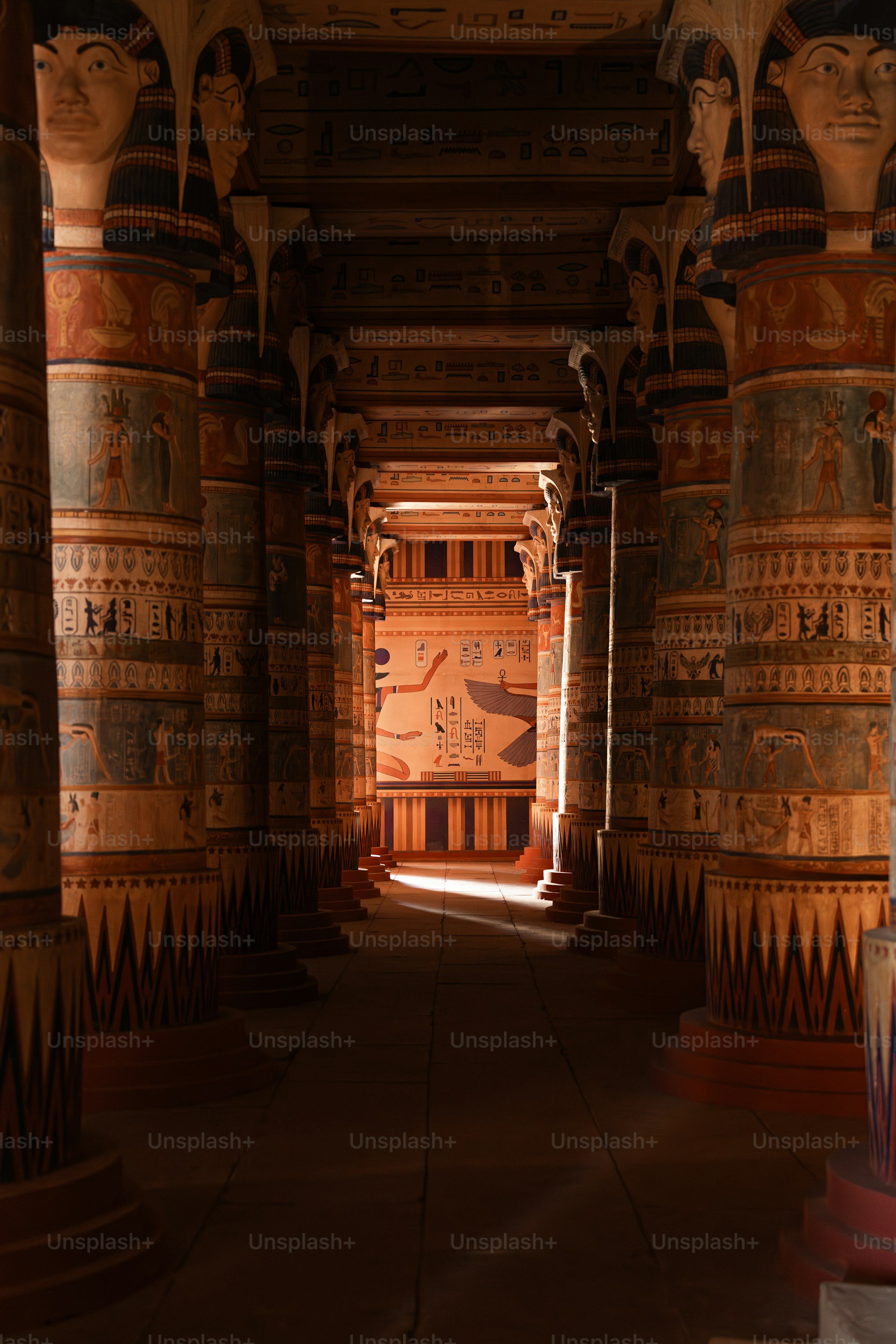
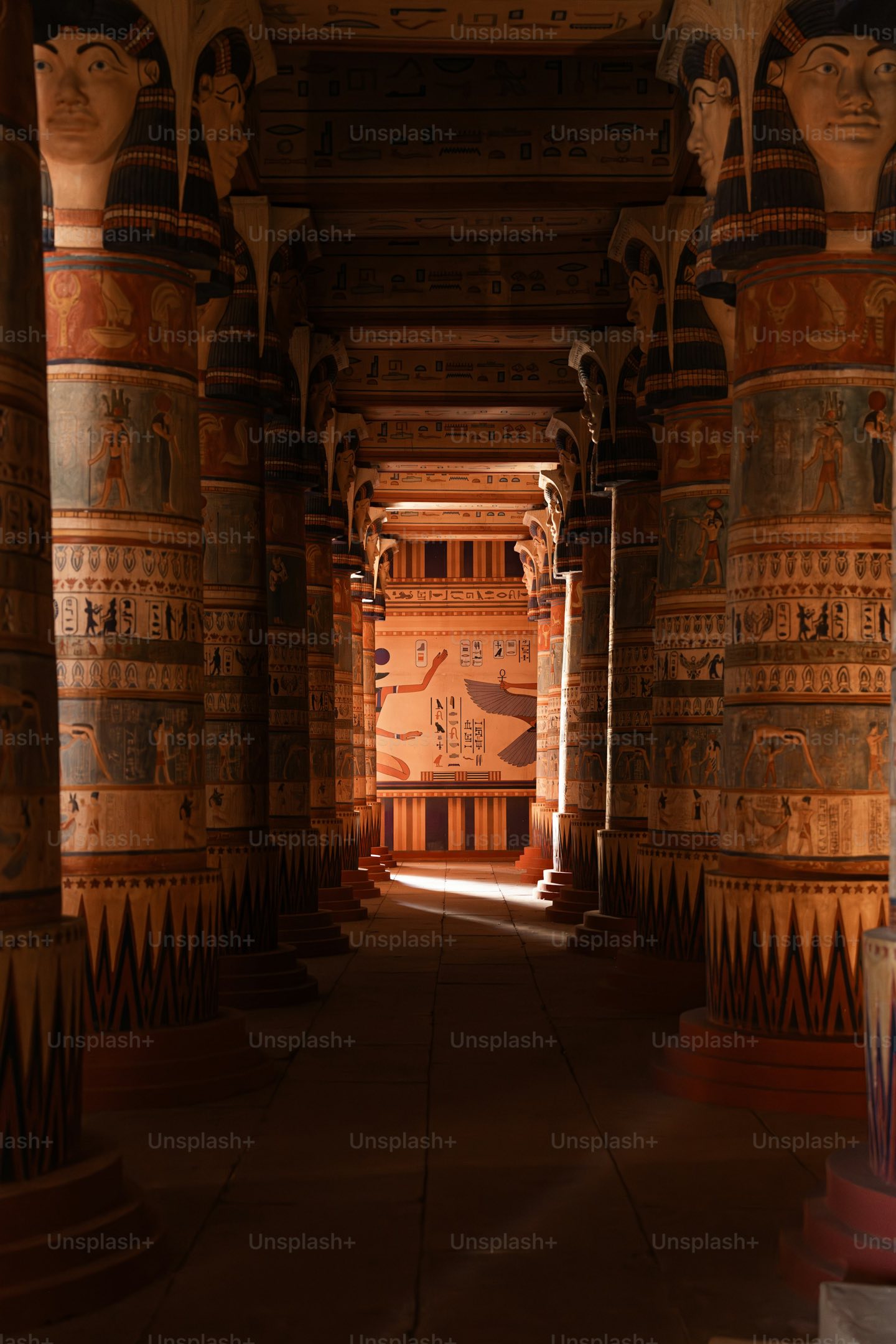
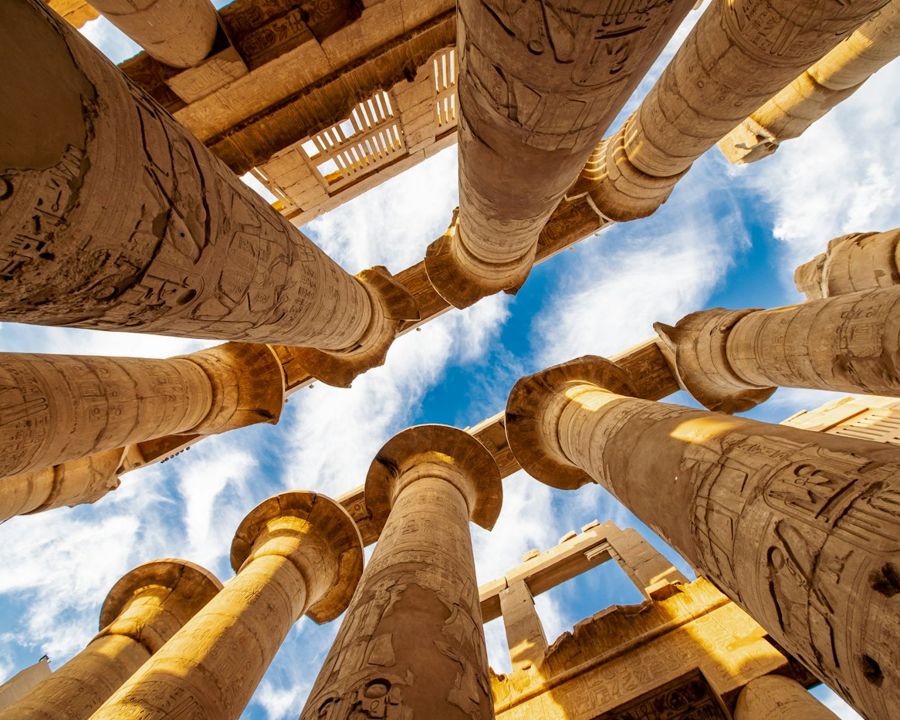
The hypostyle hall holds 134 columns, the central twelve rising more than twenty meters. In daylight they read as a crowd. Before sunrise they are a forest: you cannot see the far wall, only the next trunk of carved sandstone and the faint shine of paint high above.
The ancient builders meant it to feel this way. The hall stood for the primeval marsh from which the world first rose, and its columns are papyrus stems in stone: open flowers along the central aisle, where the light once fell from the clerestory windows, and closed buds in the shadows on either side.
Nobody spoke for the first ten minutes. When the light finally came through the clerestory, one guest whispered that she had finally understood why they built it.
When the light arrives
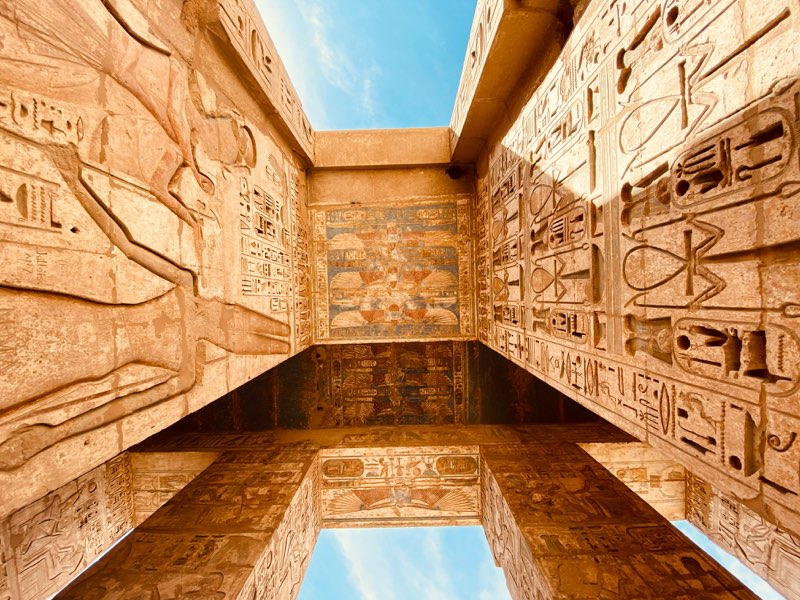
Around six the first sun slips through the stone grilles of the clerestory and lands on the upper columns. The reliefs wake up one register at a time: Seti I offering incense, Ramesses II before Amun, cartouches recut by later kings who wanted their own names on the forest.
This is when we read the walls together. Seen in raking light, the difference between Seti’s fine raised relief and his son’s deep sunk carving is obvious even to someone who has never studied hieroglyphs, and the story of a reign told in stone becomes something you can touch with your eyes.
Practical notes for your own visit
Dawn permits are issued for small groups only and must be requested weeks ahead through a licensed operator. We arrange them as part of our Luxor journeys and private days on the east bank.
- Bring a light jacket: the stone keeps the night cold until well after sunrise.
- Flash photography and tripods are not allowed during the dawn hour.
- Plan breakfast after the visit; the gates open to the public at six thirty.
- Combine the hall with the sacred lake and the open air museum before the crowds arrive.
Written by
Dr. Fatma · Egyptologist
Egyptologist and licensed tour guide, founder of It’s My Egypt. Fatma studied Egyptology at Cairo University and has led small groups through the temples of Upper Egypt for more than a decade.