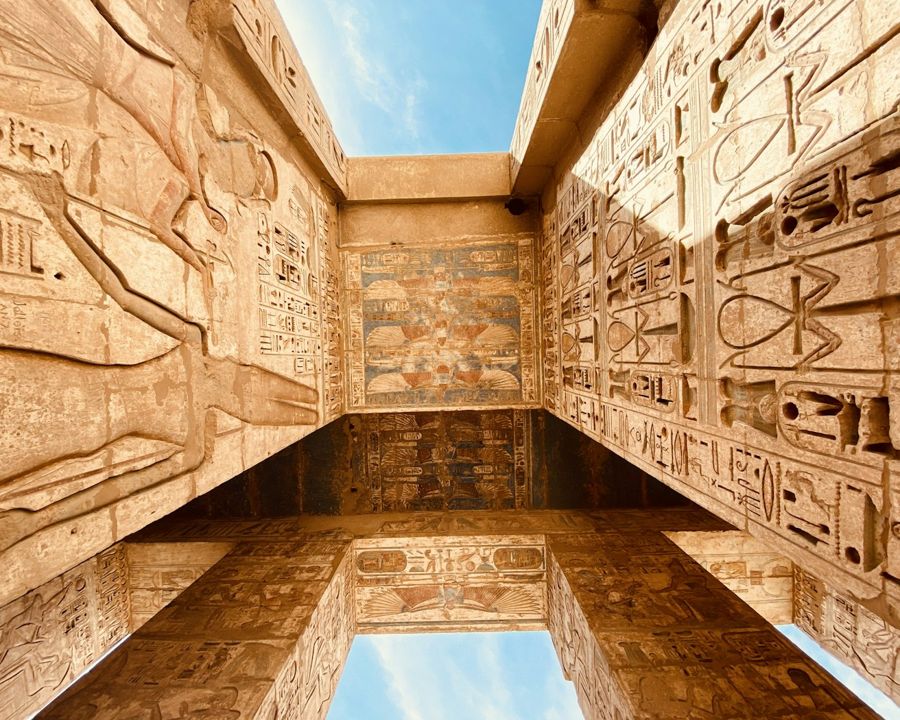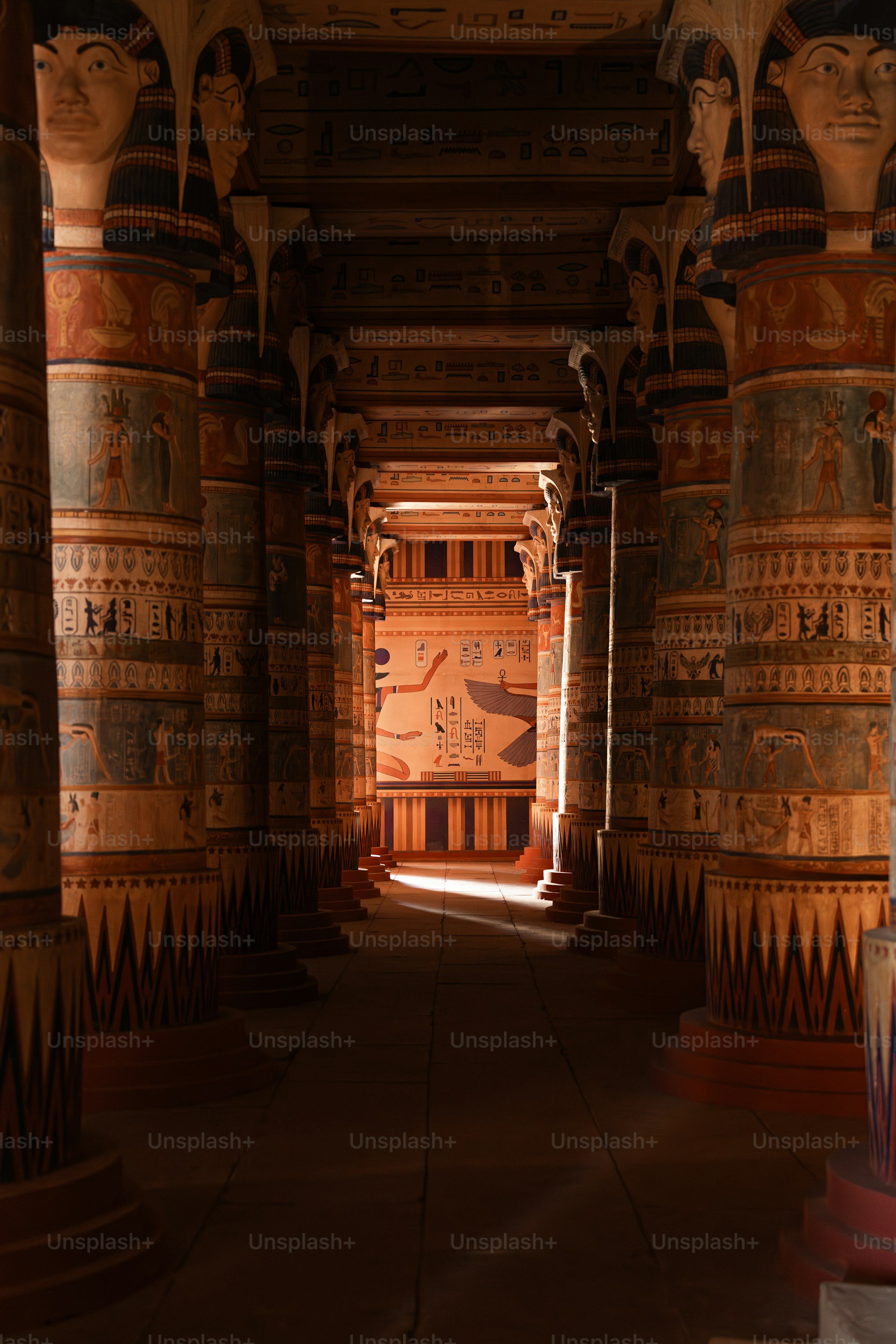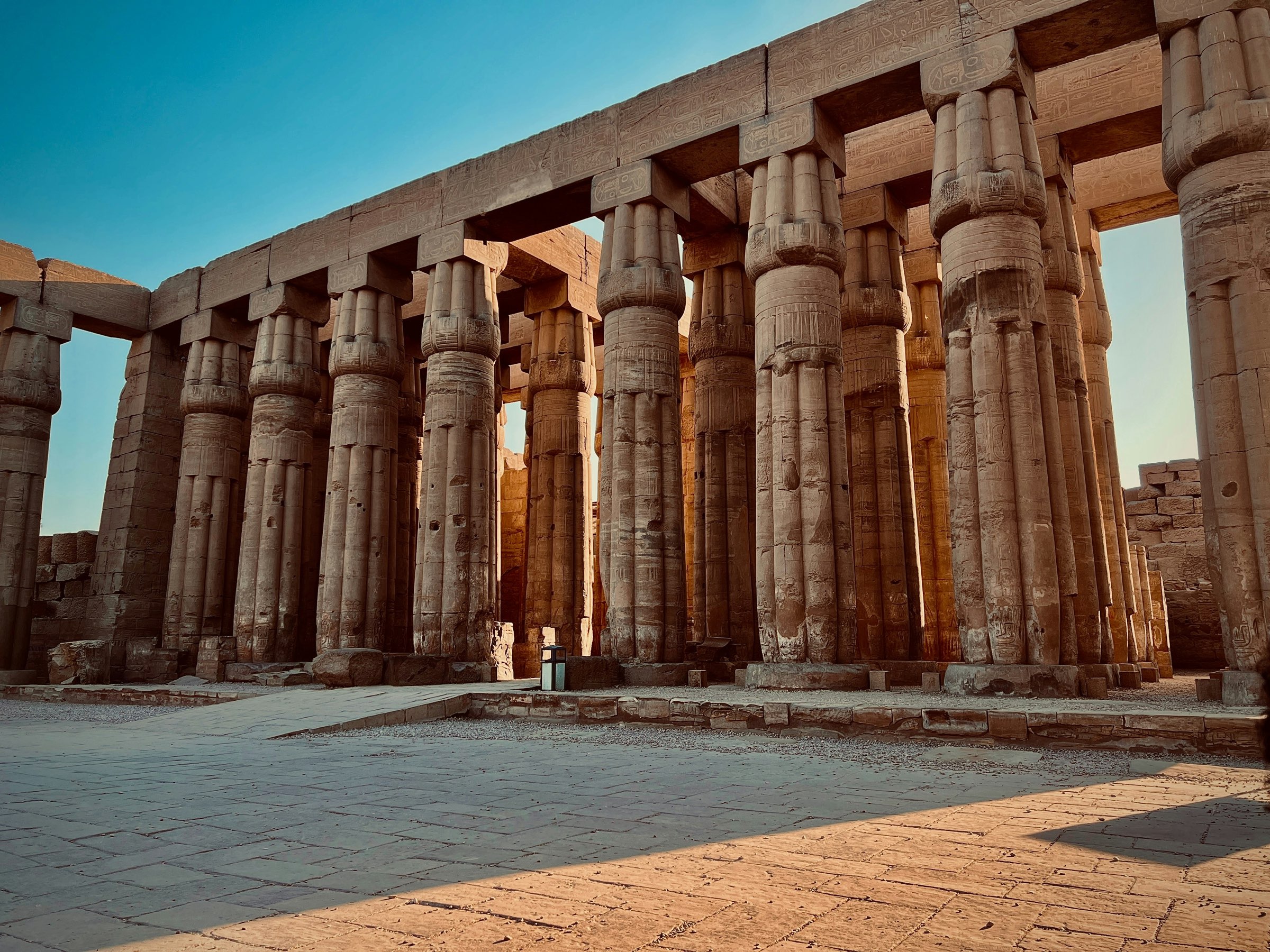
Thebes, the city of a hundred gates
Luxor was Thebes, the religious capital of Egypt for most of the New Kingdom. The living city stood on the east bank, where the sun rises, and the dead were buried on the west bank, where it sets. The Nile still divides the two.
On the east bank, Karnak grew over two thousand years into the largest religious complex ever built, joined to Luxor Temple by an avenue of sphinxes nearly three kilometers long.
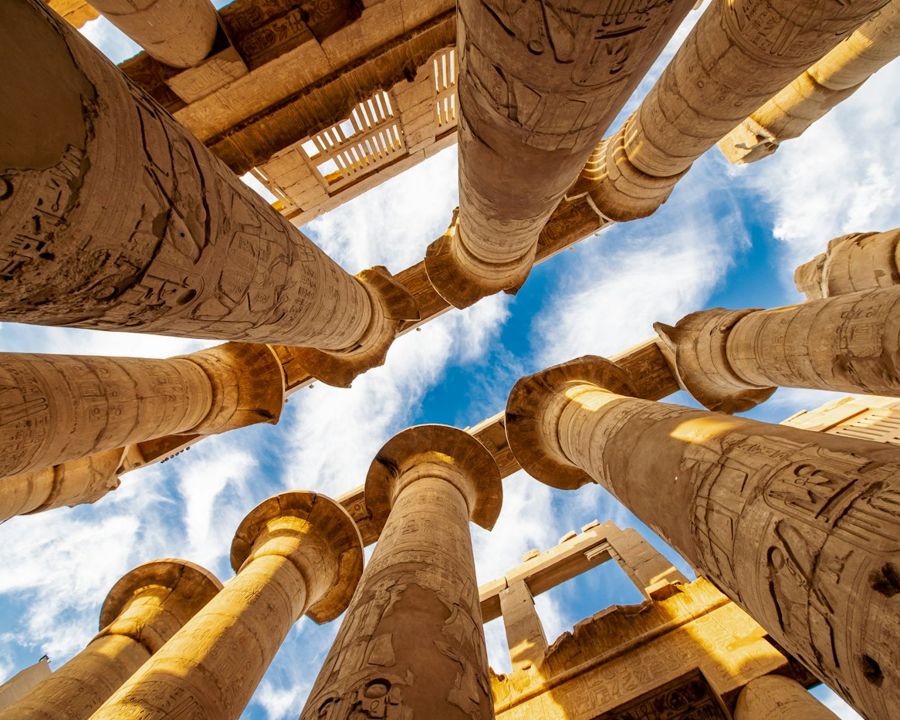
The west bank
Across the river, the Valley of the Kings hides more than sixty tombs cut into the hills, their walls painted with the journey of the sun through the night. The terraced temple of Hatshepsut and the workers’ village of Deir el-Medina complete the day.
At dawn, hot air balloons rise over the fields and temples, the most beautiful way to understand how the monuments sit in the landscape.
Every wall here is a page. You only need someone to teach you how to read it.
Practical notes
A standard ticket to the Valley of the Kings opens three tombs; Tutankhamun, Seti I and Nefertari need their own tickets.
- Visit the west bank early: the valley holds the heat by noon.
- Photography is allowed in most tombs with the standard ticket, without flash.
- See Luxor Temple after dark, when it is lit and the evening is cool.